Hi, I'm Gilberto Garcia
welcome to my personal website
About Me
Hi! I’m Gilberto Garcia. I am a first-generation graduate student at the University of Oklahoma's Department of Physics and Astronomy. I am currently based in Norman, Oklahoma but was born and raised in Chicago, Illinois. I completed my undergraduate education at Wesleyan University, earning a degree in Astronomy and Physics and working as an Astronomy research assistant. With this experience, I am pursuing a career as an Astrophysicist. You can learn more about my research in my research page.
Because of my background, I am deeply invested in STEM outreach and education, specifically working towards minimizing the education access gap and providing resources to underserved student populations. Because of this, I have actively participated in STEM outreach programs and tutoring positions in Norman, Chicago, and Middletown. To learn more about my work, you can take a look at my CV page
Outside of academics, I am a huge soccer fan. I have enjoyed watching and playing it since I was a kid, and played for school, club, and travel teams. Along with soccer, I like to keep myself active nowadays with running, cycling, and hiking.
Research
Post Baccalaureate Research: Structure and Dynamics of Non-Helical DNA
DNA in a non-helical structure, like a in a hairpin, are at fault for various genetic disorders. It is known that the formation of these non-helical structures in DNA is induced from crowded cellular enviornments, but the dynamics and stability of the hairpin within these crowded envirnments is not well studied. Using single-molecule Forster resonance energy (FRET) microscopy, I am examining these parameters for a set of DNA with trinucleotide repeats under various crowding conditions.
I am also studying the effects of internal loops on the stability of DNA's helical structure by looking at the temperature-dependent changes in the UV absorbance of DNA.
I will be presenting this work at the National Meeting of the Biophysical Society in February 2022.
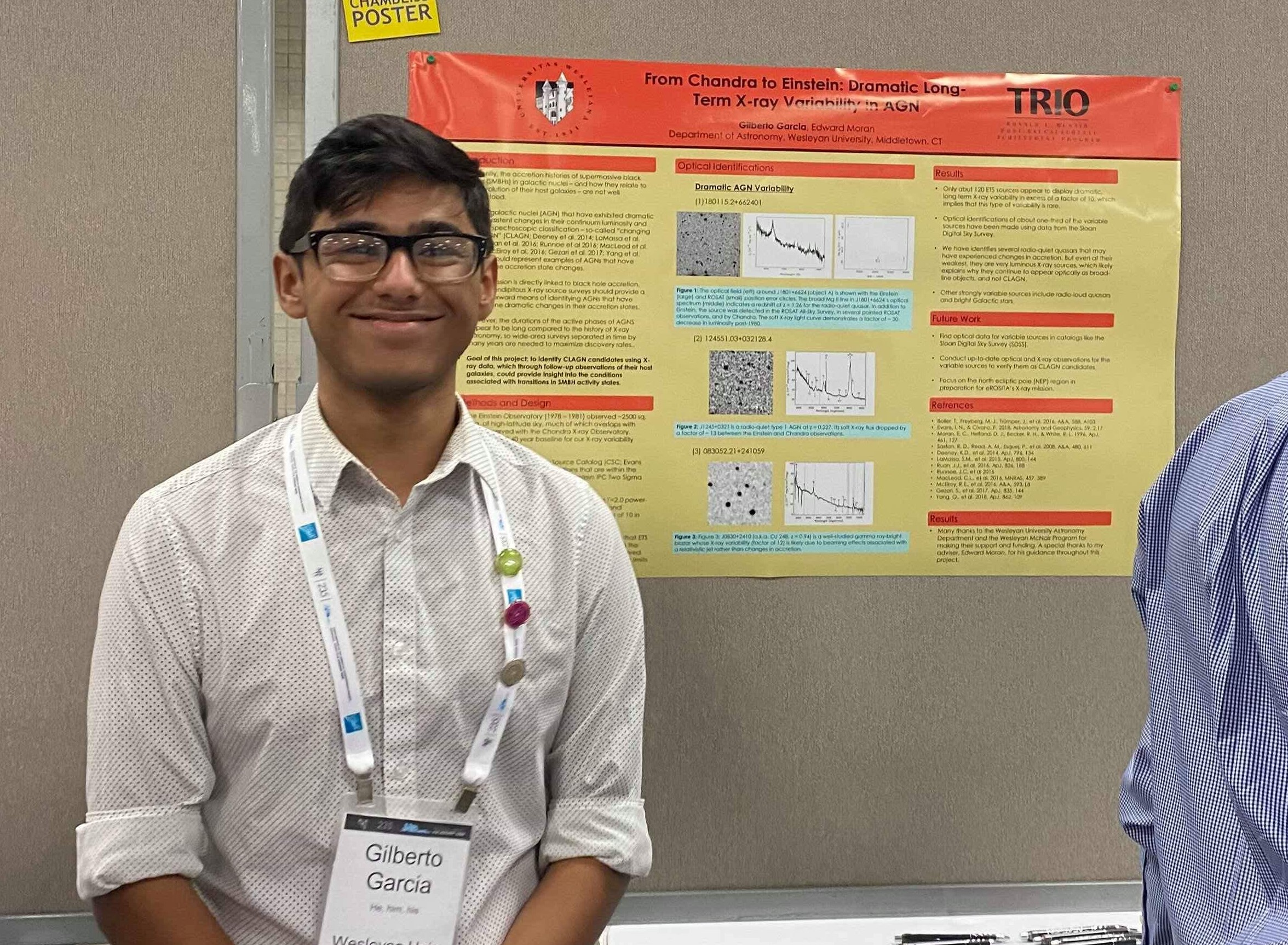
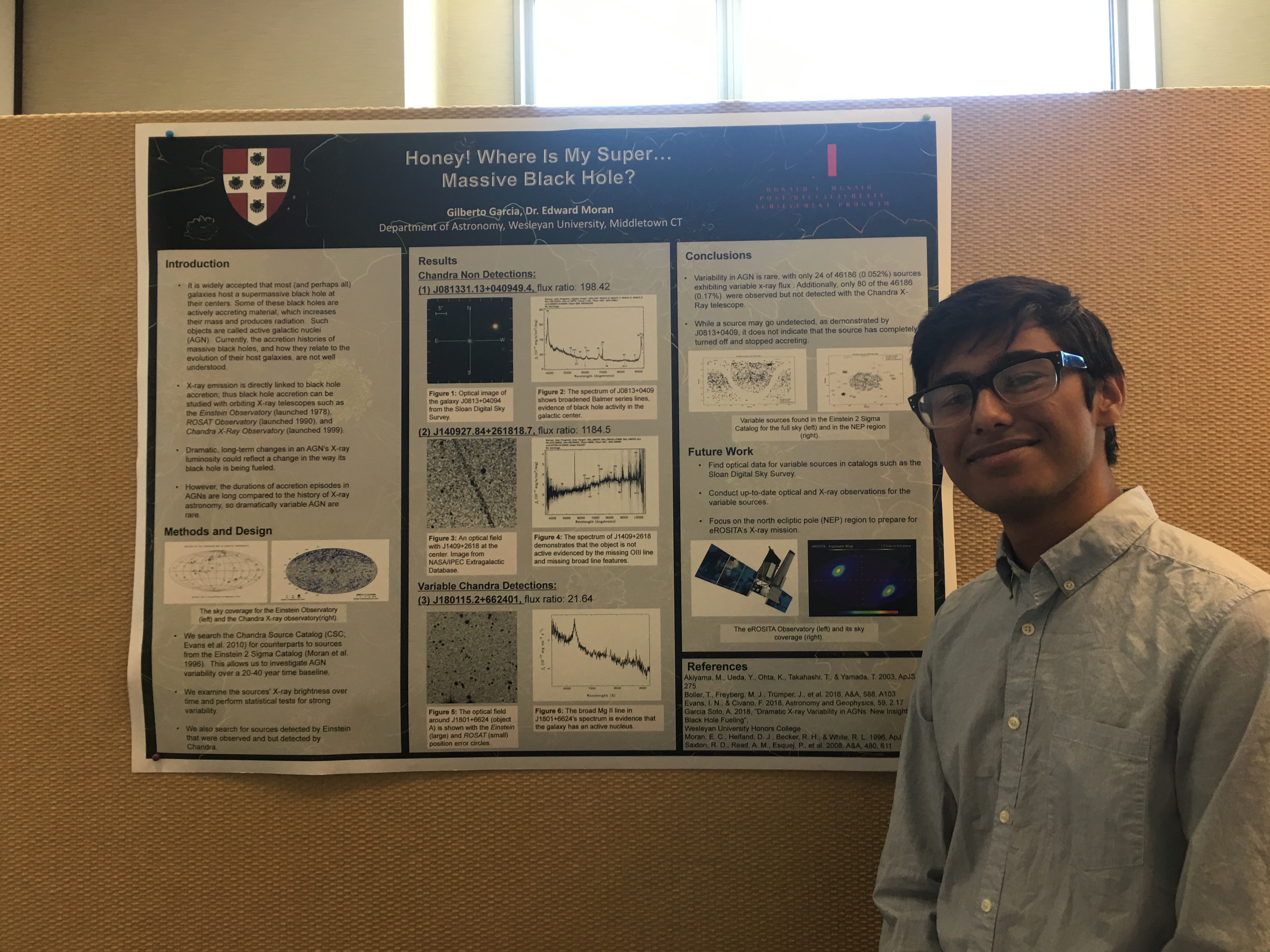
Undergraduate Research: Dramatic, Long-term X-ray Variability in AGN
Constraints on the duty cycle and duration of accretion episodes in active galactic nuclei (AGNs) are vital for establishing how most AGNs are fueled, which is essential for a complete picture of black hole/galaxy co-evolution. Perhaps the best handle we have on these activity parameters is provided by AGNs that have displayed dramatic, persistent changes in their bolometric luminosities. Given that X-ray emission is directly linked to black-hole accretion, X-ray source catalogs should provide a straightforward means of identifying AGNs that have undergone dramatic changes in their accretion states. However, it appears that such events are very rare, so observations separated in time by many years are needed to maximize discovery rates.
In this project, we cross-correlated the Einstein IPC Two-Sigma Catalog with the Chandra Source Catalog to identify a sample of soft X-ray sources that varied by factors of at least 10 over timescales of 20 or more years. Most of the extremely variable sources revealed via this technique were dimmer in the Chandra era, owing to the lower sensitivity and modest exposures associated with Einstein. Optical spectra from the Sloan Digital Sky Survey indicated that many of the variable sources were radio-quiet AGNs with broad emission lines — not "changing-look" objects that have more subtle AGN signatures in their spectra. We created long-term X-ray light curves for the sources by combining the Einstein and CSC fluxes with those obtained from serendipitous pointed observations by ROSAT.
This work resulted in an undergraduate thesis that was awarded high honors and was presented at various conferences. You can find my thesis and my presentations in the bibliography and presentations section of my CV page.
CV and Bibliography [pdf]
Education
- B.A. Astronomy & B.A. Physics, Wesleyan University, 2020
Experience
- Research Associate (2020 - 2022)
- Loyola University Chicago, Department of Physics
- Project: exploring the relationship between DNA structure and genetic disorders
- Teaching:
- Training and overseeing undergraduate student's projects.
- Assist in developing and writing lab modules for a new physics lab course
- Research Assistant (2018-2020)
- Wesleyan University, Department of Astronomy
- Project: investigating the role that AGN fueling has on black hole/galaxy co-evolution
Teaching
- Teaching Assistant (Spring 2020)
- Wesleyan University, Department of Astronomy
- Class: The Dark Side of the Universe (ASTR111), an introductory, non-major track course taught by Prof. Edward Moran
- Responsibilities: grade homework weekly, hold weekly homework sessions, operate and lead bi-weekly observing nights using Wesleyan's telescopes
- Teaching Assistant (Fall 2019)
- Wesleyan University, Department of Astronomy
- Class: Exploring the Cosmos (ASTR105), an introductory, non-major track course taught by Prof. Seth Redfield
- Responsibilities: grade homework weekly, hold weekly homework sessions, operate and lead observing nights using Wesleyan's telescopes
Leadership
- Coordinator (2016 - 2020)
- Wesleyan University, Jewett Center for Community Partnerships
- Partnered with Cross Street AME Zion Church in Middletown, CT to provide underserved and minority students (K-12) with a free after-school program
- Recruited and trained Wesleyan students to serve as tutors for the program, also served as a tutor myself
- Club Co-Founder (2018-2020)
- Club: Wesleyan University Astronomy Club (WesAstro)
- created a space for non-STEM majors at Wesleyan to get involved with the Astronomy department at an enthusiast's level
- Lead bi-weekly meetings on current or classic Astronomy topics and occasionally had observing nights
- Astronomy Public Outreach Volunteer (2018 - 2020)
- Wesleyan University, Department of Astronomy
- Participated in Space Night and Kids' Night, outreach programs at Wesleyan's Van Vleck Observatory that were geared towards adults and kids, respectively.
- Led presentations, activities and public observing on a weekly basis.
Presentations
- Feb 2022: Poster presentation (virtual) at the National Meeting of the Biophysical Society at San Francisco, CA
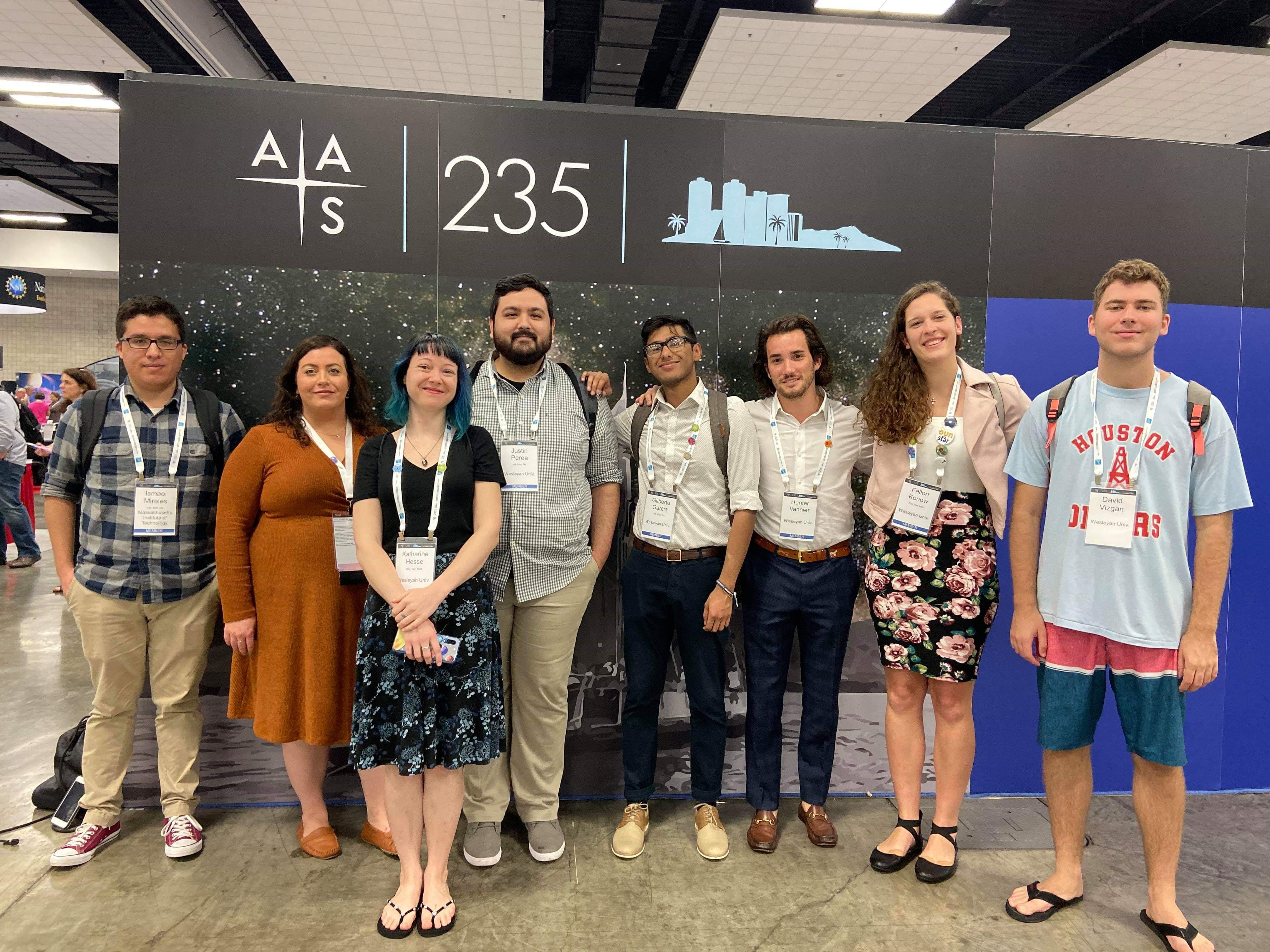
- Jan 2020: Poster presentation at American Astronomical Society's 235th meeting at Honolulu, HI [poster]
- Oct 2019: Poster presentation at the Keck Northeast Astronomy Consortium (KNAC) at Vassar University [poster]
- Jul 2019: Poster presentation at the McNair National Conference at UCLA [poster]
- Jun 2019: Poster presentation at Wesleyan's Summer Research Symposium [poster]
- Sep 2018: Powerpoint presentation at KNAC at Middlebury University [powerpoint]
- Jun 2018: Poster presentation at Wesleyan's Summer Research Symposium [poster]
Bibiliography
- Bachlor's Thesis
- Garcia, G. (2020). Dramatic, Long-term Variability in AGN. Wesleyan University. [pdf]
Awards, Honors, and Affiliations
- Fellow, McNair Post-Baccalaureate Program, Wesleyan University (2019-2020)
- Fellow, QuestBridge National College Match Program (2016-2020)
- Fellow, Chicago Scholars Foundation Program (2016-2020)
- Fellow, Space Telescope Science Institute Summer Research Program (Summer 2020)
*Canceled due to COVID-19* - Recipient, High Honors for Astronomy Thesis, Wesleyan University (Spring 2020)
- Fellow, Summer Research Program, Wesleyan University (Summer 2019)
- Fellow, Summer Research Program, Wesleyan University (Summer 2018)
Skills
- Operating Systems: Mac OS, Microsoft Windows, Linux
- Languages: Python, C, Mathematica, SQL, HTML, CSS, Latex
- Software: IRAF, SAOImage DS9, CIAO/Sherpa, Git/Github
Press
- Students, Alumni Attend Meeting of the American Astronomical Society in Hawaii (Wesleyan, 2020)
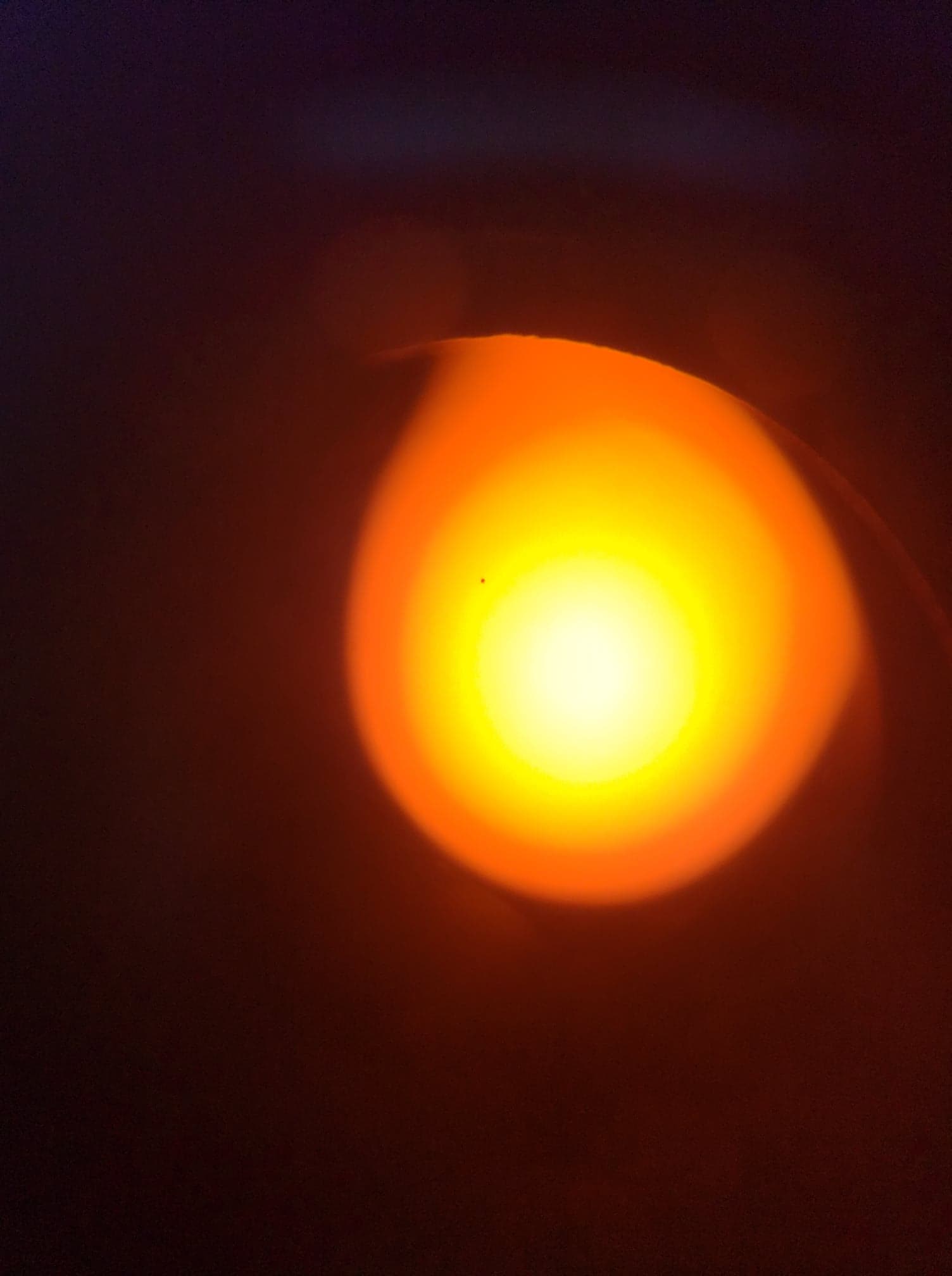
- Students, Faculty, Community Observe Rare Complete Transit of Mercury (Wesleyan, 2019)
- Students Present Research at Northeast Astronomy Consortium (Wesleyan, 2019)
Gallery
Friends & Me
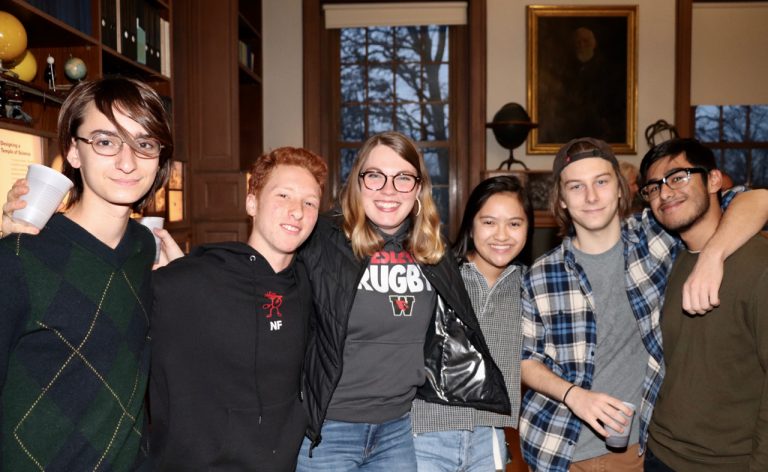
Some highlights of my academic career so far.
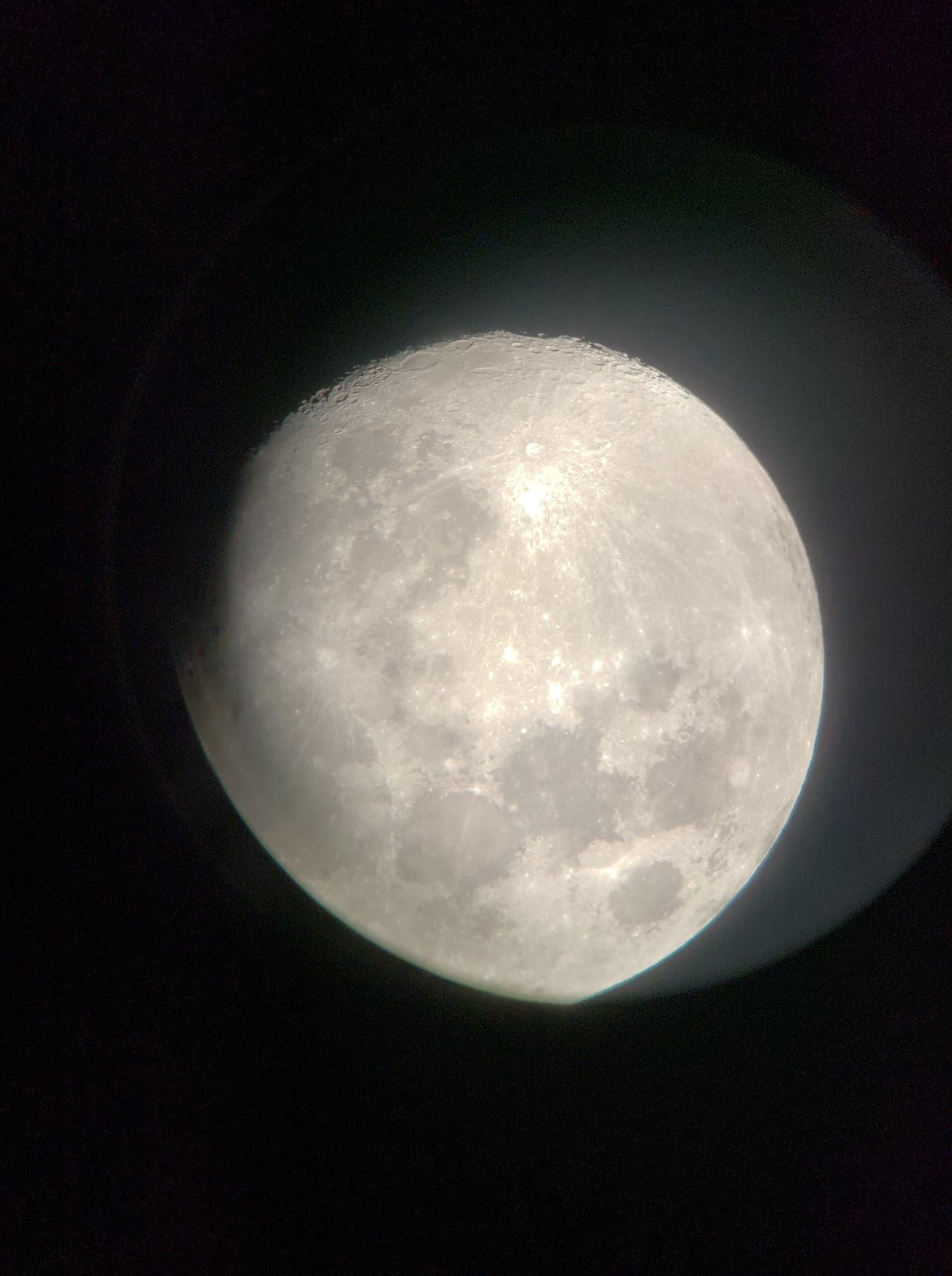
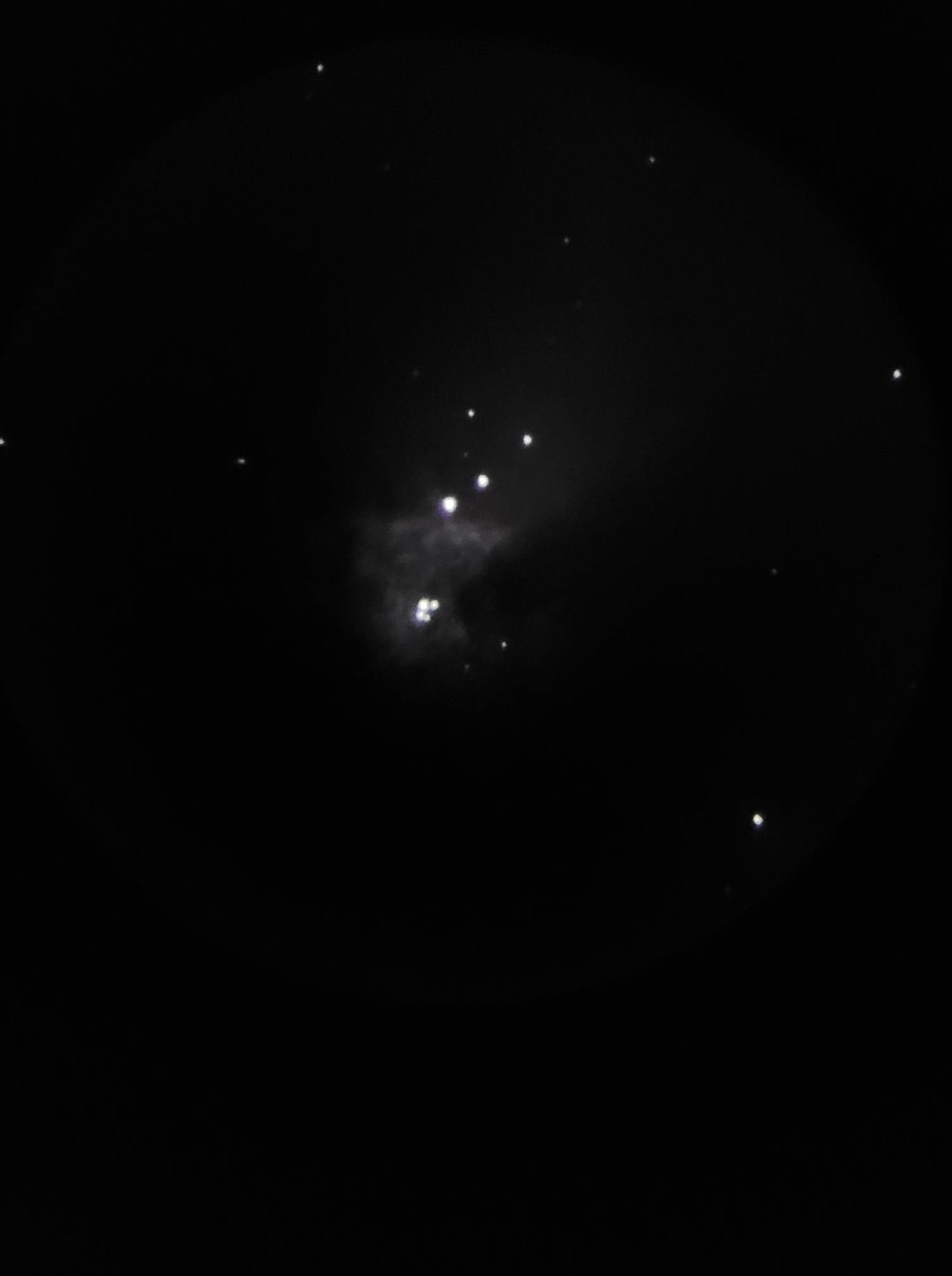
Celestial Objects
Some fun pictures I have taken of the sky.
Contact
You can reach or follow me at the following: